


Teenage Sex and Death at Camp Miasma Review: Yawn. Fucking. Yawn.

Jane Schoenbrun’s latest has plenty to say about sex, identity, horror movies, fandom and self-discovery. The problem is that it REALLY wants to make sure you know it.
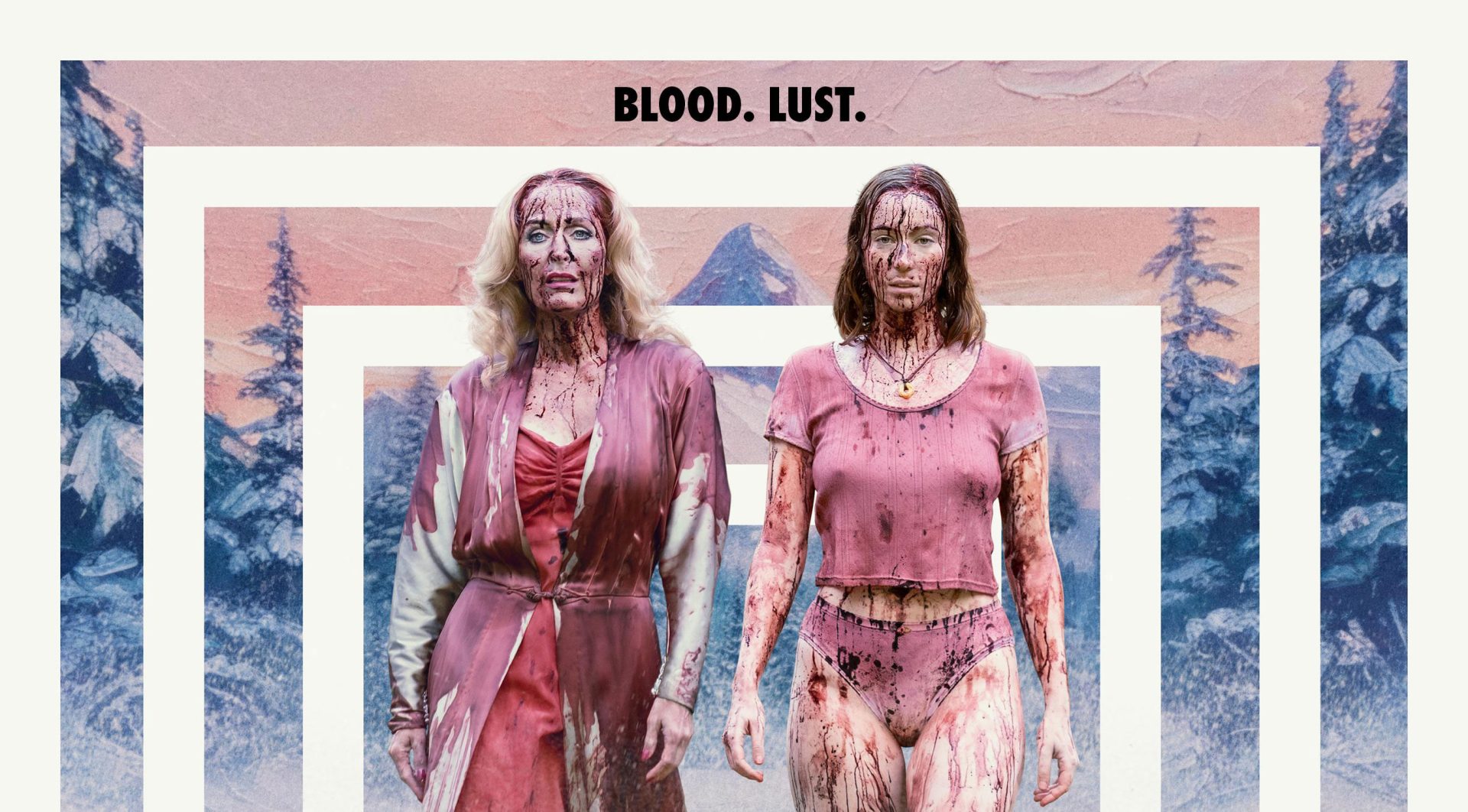
Teenage Sex and Death at Camp Miasma takes aim at slasher nostalgia through the story of a young filmmaker resurrecting the long-dormant Camp Miasma franchise. What follows is part horror movie, part psychosexual odyssey and part cinematic self-examination.
And, Jesus Christ, does it want you to know that.
I’m a firm believer that the decline of readers in this country—maybe the world over—is due largely to the education system’s persistence in including English Lit in the curriculum.
If ever there was a pretentious, self-important excuse for the mass indoctrination of young free thinkers to “walk this way, talk this way,” it is the abhorration that is English Lit class.
I remember, not so fondly, being told that my subjective interpretation of Nathaniel Hawthorne’s The Scarlet Letter was not only wrong, but deserving of a C-.
I’d like to think I was a bright young lad, but my OPINION of Hawthorne’s dry and relentless bore-a-thon on the cultural tailspin that the Puritanical era wrought on a fledgling nation (yeah, yeah, we all know it was really the Victorians that fisted our take on sex and kink, but I digress) being WRONG was, well, a little confusing.
Then a little frustrating.
And then, eventually, motivating.
You see, I hate being hit over the head with a theme.
Moreover, I hate it when that rather pompous sledgehammer is wielded in the name of so-called entertainment.
I get it.
This little cinematic exercise is a treatise on the awkward and often painful alienation that comes from a sexual awakening that is both delayed and sidelined by one’s own idiosyncratic desires—desires that fall well outside the “10 Ways to…” newsstand articles that young women and housewives are supposed to treat as both scripture and stereo instructions in a world that laughs at that kind of arrogant simplicity…
And YAWN. FUCKING. YAWN.
Welcome to Camp Miasma. Please Bring Your Own Subtext.
Teenage Sex and Death at Camp Miasma is so bloated on theme—I mean, that rather anaconda-sized title alone should prepare you—and so enamored with “See, what this means…” filmmaking that it quite literally takes the joy out of any interesting visual director Jane Schoenbrun (I Saw the TV Glow) can throw at you, which is actually sorta criminal.
And there are interesting visuals here.
Schoenbrun unquestionably knows how to construct an image. There are moments where Camp Miasma looks like it might finally stop explaining itself and simply become the bizarre, erotic, surreal horror movie lurking underneath all that commentary.
Then it starts talking again.
It’s a film so willing to tell you that it means more than the sum of its parts that it becomes the talkative friend in the seat beside you, so eager to explain what you’re seeing that you end up losing yourself in your tub of popcorn just to drown out the needless banter.
We get the queer exposition of it all.
We get the tale of self-discovery and, ultimately, the release of giving yourself over to the experience despite your internal resistance.
We get the frustration and exhaustion of being different on top of being different.
We get it.
And YAWN.
Yes, Movie. We Get It.
Most of the audience that might appreciate Camp Miasma has already gone through these cinematic motions for most of their lives, and at a time when the world is insisting that English Lit knows better than us, sometimes we just want to be fucking entertained.
Instead, we’re watching someone else’s 14-year-old bedside diary’s coming-of-age therapy session.
Hell, even our lead character clues us in early on that no matter what we want the film to be about, no matter where the money goes, this movie is about:
ME, ME, ME.
THAT is where Schoenbrun is ultimately their own worst enemy.
For someone who apparently loves movies, Schoenbrun seems to have missed the point completely about what brings us to the theater.
There is probably a movie somewhere inside them that would prove their devotion to the films that shaped them, but much like the film’s protagonist, Schoenbrun is too far inside their own head to let that story manifest..
What does manifest is a film that, again, so desperately screams “ME, ME, ME” that it manages to undermine some great performances and what might otherwise be some very memorable sequences.
Sadly, in the wise words of my friend Steve, it’s just too busy smelling its own farts to realize that it cleared the room.
Ugh…
“But, but, look at my musical choices!”
“Look at how I chose to use a painted backdrop instead of the very real scenery behind it!”
“You get it, right?!?!?!”
“THESE DECISIONS ARE IMPORTANT!”
…and movie theater chains and studios are wondering why the seats stay empty.
Gillian Anderson Deserves Better
And here’s where Camp Miasma becomes especially frustrating.
I love Gillian Anderson.
There are performances here—and sequences here—that suggest a version of this movie I would have been completely willing to go along with. Anderson and Einbinder certainly aren’t the problem. The film surrounds them with enough visual invention, strange energy and occasionally compelling imagery that you can almost see the movie this might have been.
And I think there is a decent movie somewhere inside Jane Schoenbrun.
But I currently have no interest in Hollywood throwing millions of dollars at them so they can work their shit out on the big screen.
The Verdict
Teenage Sex and Death at Camp Miasma desperately wants to be discussed, dissected and interpreted.
So maybe my old English Lit teacher would fucking love it.
Me?
★☆☆☆☆
ONE STAR
And that is simply for utilizing one of its best assets, which is Hannah Einbinder’s wonderful, juicy, hypnotic fucking ASS.
